

Table of Contents
Searching for **how to from sing because the phrase does not clearly explain what the searcher wants to accomplish. Some people may be trying to find the official website, while others may want to explore its audio guides, read speaker reviews, solve sound-related problems, or understand how the platform works.
TheSoundsTour presents itself mainly as an information website for people interested in sound, speakers, headphones, soundbars, audio systems, buying advice, and practical tutorials. Its current navigation includes sections such as How To, Tips and Tricks, Motorcycle Speakers, Buying Guides, and Speakers. This means visitors can approach the website from several different directions depending on their goals. de explains how to locate relevant information, evaluate the content, navigate important sections, search for answers, and make better use of the website. It also addresses the unusual wording of the keyword so that readers can understand what they are likely looking for.
What Does How to From Website TheSoundsTour Mean?
The search phrase how to from website thesoundstour is most reasonably understood as a request for instructions about using TheSoundsTour website. It may also represent an incomplete search, such as “how to learn from TheSoundsTour,” “how to find information on TheSoundsTour,” or “how to use TheSoundsTour.”
Search queries are not always written as complete sentences. People often type only the essential words, especially when searching from a mobile device. In this case, the important elements are “how to,” “website,” and “TheSoundsTour.” Together, they suggest informational and navigational intent.
The informational side means the visitor wants to learn how something works. The navigational side means the visitor may be trying to reach a particular website, category, guide, or article. Understanding this combined intent makes it easier to provide a useful answer rather than focusing only on the awkward grammar of the keyword.
| Search element | Likely meaning | User objective |
| How to | A request for instructions | Learn a process or solve a problem |
| From website | Information expected from an online source | Find or use website content |
| TheSoundsTour | The name of the target platform | Reach and explore the website |
| Full query | A broad navigational question | Learn how to use TheSoundsTour |
Understanding What TheSoundsTour Offers
Before learning how to from website thesoundstour, it helps to understand the website’s general purpose. The platform describes itself as an audio-focused resource offering reviews, tips, comparisons, and guides related to speakers, headphones, soundbars, and other sound equipment.
Its blog introduction identifies Elena as an audio enthusiast and content creator. The website says its mission is to help readers make informed decisions when choosing audio equipment. It also claims more than ten years of audio-industry experience, along with involvement in sound-design workshops. These are statements made by the website itself and should be considered alongside the quality, detail, and evidence provided in individual articles. ite has also expanded into broader subjects over time. Visitors may encounter content about music, technology, live events, entertainment, travel, gaming, and other topics. Because of that variety, using the main menu and internal search is usually more efficient than scrolling through the homepage.
How to Find the Correct TheSoundsTour Website
A person searching how to from website thesoundstour should first confirm that they have reached the intended domain. Similar names, alternative spellings, and unrelated websites can appear in search results.
The website name should be checked carefully before opening a result. Look at the spelling of the domain rather than relying only on the blue page title displayed by a search engine. The official-looking domain currently associated with the platform is TheSoundsTour.com, and its pages contain the main menu, blog content, About section, Contact page, Privacy Policy, and Terms and Conditions. should also notice whether the browser displays a secure HTTPS connection. Although HTTPS does not automatically prove that every claim on a website is accurate, it helps protect information exchanged between the visitor and the website.
Saving the correct homepage as a bookmark can prevent future confusion, particularly when multiple search results use similar phrases.
How to Navigate TheSoundsTour Efficiently
The easiest way to understand how to from website thesoundstour is to begin with the main navigation rather than opening random homepage articles. The site currently provides direct links to Home, How To, Tips and Tricks, Motorcycle Speakers, Buying Guides, Speakers, About, and Contact Us. To section is the logical starting point for readers facing a specific problem. It may contain tutorials explaining how to configure, connect, troubleshoot, maintain, or improve devices and systems.
Tips and Tricks is more suitable for readers who already have working equipment but want to improve performance or learn useful techniques. Buying Guides can support product research, while the Speakers category is useful when the topic relates specifically to speaker models, technologies, placement, or performance.
The About and Contact pages serve a different purpose. They allow visitors to understand the website’s stated background or reach its administrators when clarification is needed.
| Website section | Best used for | Typical reader |
| How To | Tutorials and problem solving | Beginners and existing device owners |
| Tips and Tricks | Performance improvements and practical advice | Regular audio users |
| Buying Guides | Comparing product types and features | Shoppers and researchers |
| Speakers | Speaker-related education and recommendations | Home-audio and portable-audio users |
| Motorcycle Speakers | Vehicle-specific audio information | Riders and motorcycle owners |
| About | Understanding the website and its stated expertise | New visitors |
| Contact Us | Questions, feedback, or corrections | Readers needing direct assistance |
Using the Website Search Feature
The internal search tool is particularly important for anyone investigating how to from website thesoundstour. A search box can help locate older content that is no longer visible on the homepage.
Use short, specific phrases rather than complete questions. A search for “Bluetooth speaker connection” is normally more effective than entering a long sentence describing every detail of the problem. Similarly, “soundbar no audio,” “speaker placement,” or “motorcycle speaker installation” can produce more focused results.
When the first search does not work, change the wording. Audio terminology varies widely, and an article may use “pairing” instead of “connecting,” “distortion” instead of “unclear sound,” or “sound system” instead of “audio setup.”
Search results should be opened in separate tabs when comparing several guides. This makes it easier to review different explanations without repeatedly returning to the search page.
Finding Relevant How-To Guides
The main purpose behind how to from website thesoundstour is often practical problem solving. Readers may arrive because a speaker will not connect, a soundbar has stopped producing audio, or an entertainment system does not sound as expected.
A useful how-to article should identify the problem clearly before recommending a solution. It should explain which devices, operating systems, connections, or product types the instructions apply to. Generic advice can be helpful, but audio solutions frequently depend on whether the connection uses Bluetooth, HDMI ARC, optical cable, USB, Wi-Fi, or a traditional analog input.
Check whether the guide includes preparation, troubleshooting, safety considerations, and a way to confirm that the solution worked. A trustworthy tutorial should not simply tell the reader to change several settings without explaining their purpose.
It is also important to read the entire guide before changing equipment settings. The final section may contain warnings, compatibility notes, or alternative methods that affect the earlier instructions.
Evaluating Buying Guides and Product Comparisons
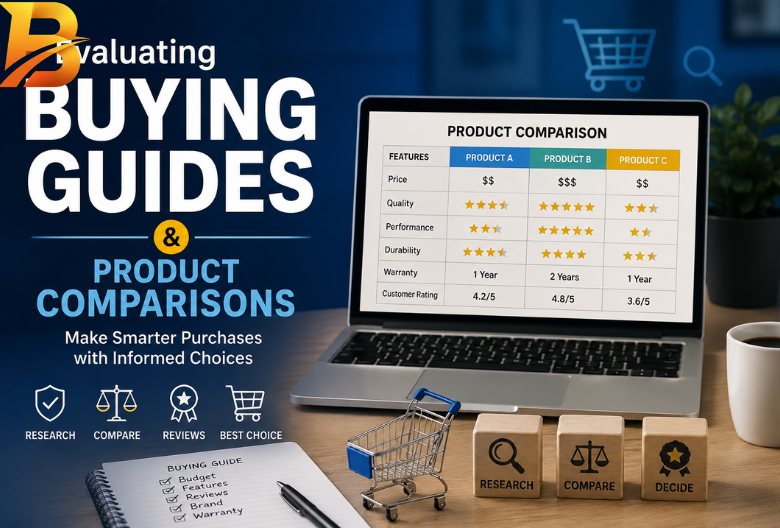
Readers researching how to from website thesoundstour may also be looking for help selecting audio equipment. Buying guides can simplify complicated product categories, but they should be treated as decision-support resources rather than automatic purchasing instructions.
Begin by identifying your actual requirements. A portable Bluetooth speaker for outdoor use has different priorities from a home-theater speaker system. Battery life and water resistance may matter outdoors, while connection options, room size, channel configuration, and compatibility may matter more at home.
Product comparisons should explain why a feature is useful rather than merely presenting technical specifications. For example, a higher power figure does not automatically guarantee better sound. Speaker design, sensitivity, room acoustics, placement, tuning, and listening distance can all influence perceived performance.
| Evaluation factor | Question to consider | Why it matters |
| Intended use | Where and how will the product be used? | Prevents buying unnecessary features |
| Compatibility | Will it work with existing equipment? | Reduces connection problems |
| Room or environment | Is it designed for that space? | Affects clarity, volume, and bass |
| Evidence | Are recommendations explained clearly? | Helps distinguish analysis from promotion |
| Publication date | Is the product information still current? | Prices and models change over time |
| Independent verification | Do other reliable sources agree? | Reduces dependence on one opinion |
Checking Whether Information Is Current
Learning how to from website thesoundstour also means learning how to identify outdated advice. Audio technology changes regularly, especially in areas such as Bluetooth standards, software applications, smart speakers, wireless ecosystems, streaming services, and television connections.
Look for a publication date or updated date near the article title. Then check whether the products, operating systems, and apps mentioned are still available. A guide can remain useful for years when it covers basic acoustic principles, but software instructions may become outdated quickly.
Visitors should also examine screenshots and menu names. When a guide refers to settings that no longer appear on a device, the interface may have changed since publication.
For expensive purchases or technical modifications, compare the article with the manufacturer’s current manual. The manufacturer is usually the primary source for compatibility, electrical requirements, firmware procedures, warranties, and installation limitations.
Making Better Use of Audio Advice
The real value of how to from website thesoundstour comes from turning general advice into improvements that fit your own environment. Sound quality is highly dependent on the room, equipment placement, listening position, source quality, and personal preference.
When testing speaker placement, use a familiar track and keep the volume consistent. Move the speakers gradually rather than making dramatic changes. Small differences in distance from walls or corners can noticeably affect bass response and stereo imaging.
For dialogue problems, check the source, television settings, sound mode, and speaker position before buying new equipment. A device may be capable of clear dialogue but configured incorrectly.
Keep notes about the original settings. This makes it possible to reverse an adjustment that produces worse results. Practical experimentation is valuable when it is controlled and reversible.
How to Verify Technical Recommendations
A responsible approach to how to from website thesoundstour involves checking important instructions against primary sources. Manufacturer manuals, official support pages, product specification sheets, and firmware release notes should take priority when safety or compatibility is involved.
Suppose an article explains how to reset a Bluetooth speaker. The general procedure may sound reasonable, but the correct button combination can vary between models. Confirming the process in the manufacturer’s manual protects the device and saves time.
Electrical specifications deserve particular attention. Speaker impedance, amplifier compatibility, voltage requirements, and wiring instructions should never be guessed. Incorrect connections can damage equipment or create a safety risk.
Third-party guides are most useful when they explain concepts, organize options, share practical observations, or translate technical language into understandable advice. They should complement official documentation rather than replace it completely.
My Opinion on TheSoundsTour
In my opinion, the most useful way to approach how to from website thesoundstour is to treat the site as a broad discovery and educational resource. Its strongest identity appears to be audio guidance, particularly around speakers, sound systems, buying decisions, and troubleshooting.
I would not open the website expecting every article to address the same narrow subject. The current homepage and blog contain a wide variety of topics, including audio content as well as broader technology, entertainment, music, and lifestyle material. iety can be helpful for casual exploration, but it also makes focused navigation important. I would use the category menu or search feature, open only the most relevant guides, and then compare any important technical claims with official product documentation.
A helpful article should save the reader time, explain difficult concepts clearly, and acknowledge limitations. Those qualities matter more than dramatic promises or complicated terminology.
Using TheSoundsTour Safely
Safety should remain part of any guide explaining how to from website thesoundstour. Most ordinary browsing presents little risk, but visitors should still use reasonable precautions.
Do not submit sensitive personal or payment information unless the purpose is clear and the page is secure. Read the privacy terms before joining mailing lists or creating accounts on any website.
Be cautious when an article links to an unfamiliar seller, application, download, or external service. Check the destination domain before proceeding. A link appearing inside an article does not automatically mean the destination is operated or guaranteed by the original website.
When troubleshooting powered equipment, disconnect electricity before changing physical wiring unless the manufacturer specifically states otherwise. Professional installation is the safer option when a task involves mains electricity, vehicle wiring, structural changes, or expensive equipment.
Who Can Benefit From TheSoundsTour?
The audience searching how to from website thesoundstour can include complete beginners, audio enthusiasts, shoppers, homeowners, musicians, riders, and people trying to solve a specific technical problem.
Beginners can use explanatory articles to become familiar with audio terminology. Shoppers can use buying guides to identify which specifications matter. Existing equipment owners may benefit from setup, maintenance, and troubleshooting content.
The website may also be useful for readers who enjoy exploring sound technology without making an immediate purchase. Learning how speakers work, why placement matters, or how different connections behave can improve future decisions.
The key is to begin with a defined question. A clear goal makes it much easier to separate relevant information from general content.
Final Thoughts on How to From Website TheSoundsTour
Understanding how to from website thesoundstour is mainly about learning how to locate the correct platform, navigate its categories, search for relevant articles, assess the quality of its advice, and verify important recommendations.
TheSoundsTour currently presents a mixture of how-to content, speaker information, buying advice, sound-related guidance, and broader blog posts. Its menu can help visitors reach focused categories, while its search feature can uncover older or more specific articles. ite is most useful when readers approach it with a specific objective and apply careful judgment. Check dates, confirm product models, compare recommendations, use official documentation for technical procedures, and avoid treating any single article as the only possible answer.
With that approach, TheSoundsTour can become a practical starting point for learning about audio equipment, improving a sound setup, researching products, and solving common listening problems.
Frequently Asked Questions
What does “how to from website TheSoundsTour” mean?
The phrase most likely refers to finding, navigating, or learning from the TheSoundsTour website. It may be an incomplete way of asking how to use its guides, locate audio information, or solve a sound-related problem.
What kind of content is available on TheSoundsTour?
The website contains audio guides, speaker-related content, buying advice, troubleshooting information, tips and tricks, and articles about related technology and entertainment subjects. Its main menu currently highlights How To, Speakers, Buying Guides, Tips and Tricks, and Motorcycle Speakers. I trust every product recommendation on the website?
A recommendation should be evaluated rather than accepted automatically. Check whether the article explains its reasoning, identifies limitations, reflects current product information, and agrees with official specifications and other reliable sources.
How can I find a specific guide on TheSoundsTour?
Use the website’s search field and enter a short, focused phrase such as “Bluetooth speaker setup,” “soundbar problem,” or “speaker buying guide.” You can also browse the most relevant category from the main menu.
Should I follow TheSoundsTour troubleshooting instructions without checking other sources?
Basic advice may be useful, but model-specific resets, wiring procedures, firmware updates, electrical requirements, and installation instructions should be verified through the manufacturer’s official documentation and more.
