

Table of Contents
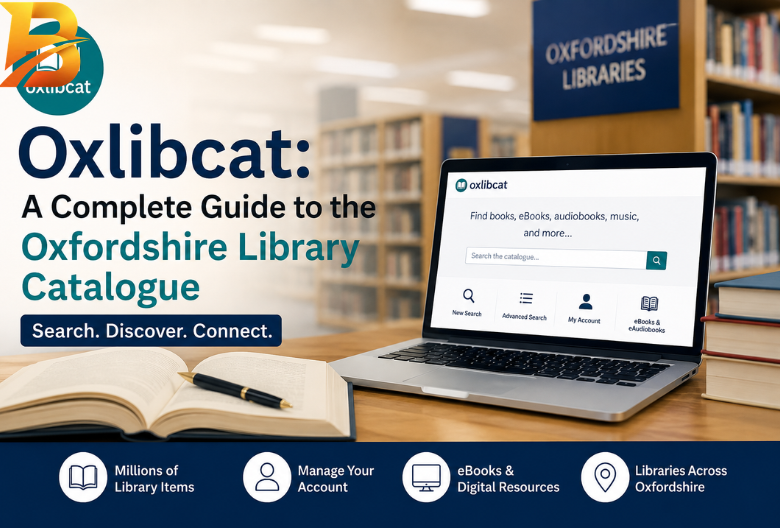
Oxlibcat is a search term commonly used by people who want to find the Oxfordshire Libraries online catalogue. Although the official website describes the service as the Oxfordshire Library Catalogue, many users search for oxlibcat when they want to locate books, check availability, sign in to their library account, reserve an item, or renew something they have already borrowed.
The online catalogue acts as a digital doorway to the collections held across Oxfordshire’s public libraries. Instead of visiting several branches or calling library staff to ask whether a particular title is available, members can search the catalogue from a computer, tablet, or smartphone. The official service allows users to search by title, author, or other relevant terms, while an advanced search option supports more focused discovery.
This detailed guide explains what oxlibcat is, how the catalogue works, how to create and manage an account, and how to reserve or renew library materials. It also explores digital books, mobile access, search techniques, potential charges, privacy considerations, and the practical value of using a public library catalogue in everyday life.
What Is Oxlibcat?
Oxlibcat generally refers to the online public access catalogue operated for Oxfordshire Libraries. It is not the official name of a separate company, commercial application, or independent book platform. Instead, the keyword appears to function as a shortened combination of “Oxfordshire,” “library,” and “catalogue.”
The official catalogue is designed to help users search titles held across Oxfordshire’s public library network. Visitors can enter the name of a book, an author, or a relevant search phrase. They can also use advanced search tools when a broad search produces too many results.
The meaning of oxlibcat becomes clearer when we consider search intent. Someone typing this keyword into a search engine is probably not looking for a definition alone. They are often trying to reach the catalogue, log in to an existing account, find a specific item, or manage a current loan.
This means the keyword combines informational and navigational intent. New users may want to understand how the system works, while existing members may simply want the quickest route to their library account.
How the Oxlibcat Catalogue Works
The oxlibcat catalogue operates as a searchable record of materials available through Oxfordshire’s public libraries. A catalogue record may include a title, author, format, publication details, subject information, and the libraries associated with the item.
A basic search normally begins with a title, author name, or keyword. For example, a reader searching for a novel can enter the title, while someone researching a broader subject can use topic-related words. The catalogue may then display several results that match or closely relate to the search.
Advanced search is useful when a simple query is too broad. It can help users narrow their results by combining specific information, such as the author and title, rather than relying on a single general phrase.
| Search method | Best used for | Example |
| Title search | Finding a known book or resource | The exact name of a novel |
| Author search | Exploring works by one writer | The author’s full name |
| Keyword search | Researching a subject or theme | Local history or gardening |
| Advanced search | Reducing irrelevant results | Author plus title |
| Format-based search | Finding a preferred type of material | Audiobook, eBook, or DVD |
Searching carefully is important because different books can have similar names, and the same title may exist in several editions or formats. When using oxlibcat, users should review the complete catalogue record before reserving an item.
A record for a physical book may be different from a record for an eBook, large-print edition, audiobook, or translated edition. Checking the format prevents the user from reserving something that does not match their needs.
Who Can Use Oxlibcat?
Anyone can search the public catalogue to explore available titles. However, account-based actions such as renewing loans or managing reservations require an Oxfordshire Libraries membership, library card number, and PIN.
Membership is free, and anyone living in the United Kingdom is eligible to apply. A new member can begin the application online, but the application must be completed by visiting an Oxfordshire library, presenting appropriate identification, and collecting a permanent library card. The service states that Oxfordshire currently has 44 libraries where an application can be completed.
People under the age of 16 can also join, although the application requires details and permission from a parent, guardian, or carer. This makes oxlibcat useful for families, students, young readers, adult learners, and older residents.
A person does not always need to be a member to enter and use a public library space. Oxfordshire Libraries welcomes visitors who want to read, study, rest, explore resources, or attend suitable activities. Membership becomes particularly valuable when someone wants to borrow physical materials, use digital resources, or manage items online.
How to Join Oxfordshire Libraries
To use all the account features associated with oxlibcat, a new user should first apply for library membership. The online application asks the user to select a local library, provide an email address, and create a memorable four-digit PIN that does not begin with zero.
After submitting the application, the applicant receives access to a temporary account. The temporary card number and account information can be viewed in the profile area. However, the member must visit a library and collect a permanent card before using certain digital services, including eBooks and some online reference resources.
| Membership stage | What happens |
| Online application | The applicant submits personal information and chooses a PIN |
| Temporary account | Temporary account details become available in the profile |
| Library visit | The applicant presents accepted identification |
| Permanent card | The library issues a permanent borrower number |
| Full access | The member can use catalogue and digital borrowing services |
A driving licence, passport, or bank card may be accepted as identification when completing the application. Members should check current requirements before visiting because procedures can occasionally be updated.
Once the permanent membership is active, the card number can be used to sign in to the oxlibcat account, access digital materials, reserve eligible items, and review current loans.
Searching for Books and Other Materials
The quality of an oxlibcat search depends on the words entered. A precise query usually produces more relevant results than a long or unclear sentence. For a known item, the user should begin with the exact title or the author’s name.
Spelling also matters. A typing mistake in an author’s surname may prevent the correct record from appearing. When the exact spelling is uncertain, using a shorter part of the title or a distinctive keyword may produce better results.
For subject research, the first search can remain broad. The user can then review the results and adjust the query using words that appear in relevant records. This process is particularly helpful for school projects, local history research, independent study, and readers exploring a new topic.
Users should also examine the item format. Oxlibcat may show physical books alongside digital editions or audio versions. A person who wants an immediate digital loan should look for an eBook or eAudiobook record, while someone who prefers a printed copy should confirm the physical format and collection location.
The catalogue is also valuable when the exact title is unknown. Searching by author, topic, genre, or a memorable word from the title can help the reader identify the correct work.
Understanding Your Oxlibcat Account
Signing in gives members access to the personal management features of the catalogue. The official account area allows users to check their borrowed items, review due dates, renew eligible loans, manage reservation requests, update contact details, read account messages, and view applicable fees or previous payments.
| Account feature | Main purpose |
| Current loans | Shows materials currently borrowed |
| Due dates | Helps members return or renew items on time |
| Renewals | Extends eligible loans |
| Reservations | Displays active requests and their status |
| Contact information | Allows account details to be reviewed or updated |
| Fees and payments | Shows relevant charges or payment history |
| Library messages | Displays notices connected with the account |
Users should avoid sharing their library card number or PIN. Although a library account is not the same as a banking account, it still contains personal information and a record of library activity.
Members should also keep their email address and other contact details accurate. Correct details make it easier for the library service to send account-related information and help users reset a forgotten PIN.
How to Renew Items Through Oxlibcat
Renewing a library item extends the borrowing period when the item remains eligible. To renew online, members must sign in using their library card number and PIN, open the loans section, select the relevant materials, and confirm the renewal.
Books can currently be renewed up to three times when another borrower has not reserved them. When a reservation exists, online renewal is normally unavailable. In that situation, library staff may be able to provide a short three-day extension when contacted directly.
Audio-visual materials may have different renewal conditions. The official guidance indicates that these items cannot be renewed in the same way as ordinary books and may attract additional charges when returned late.
Oxlibcat users should always check whether the renewal was successfully processed. Selecting an item does not necessarily mean the due date has changed. The updated date should appear in the account after confirmation.
Renewing several days before the deadline is generally safer than waiting until the final day. An item may become non-renewable if another member places a reservation before the renewal is completed.
Reserving Library Items
A reservation allows a library member to request an item held within the Oxfordshire library system. This is useful when the item is located at another branch, currently borrowed, or otherwise unavailable for immediate collection.
Members must sign in before placing or managing a reservation through oxlibcat. Oxfordshire Libraries currently allows a maximum of 20 items to be reserved.
| Reservation situation | Recommended action |
| Item is available at another branch | Place a catalogue reservation |
| Item is currently borrowed | Reserve it and wait for availability |
| Item is not held in Oxfordshire | Consider an inter-library loan request |
| Reservation is no longer required | Cancel it through the account where possible |
| Collection details are unclear | Contact the selected library |
When an item is unavailable within Oxfordshire, an inter-library loan may be possible. This service attempts to obtain the material from another library authority, a university, or the British Library. Inter-library loans involve additional processing, charges, and longer waiting periods.
The official guidance estimates a standard supply period of approximately four to six weeks for an inter-library loan, although availability and circumstances may affect the final time.
Oxlibcat Charges, Fines, and Possible Costs

Joining Oxfordshire Libraries and borrowing ordinary books are generally free, but some services carry charges. Users should review the official charges page before placing reservations, borrowing audio-visual materials, requesting an inter-library loan, or using paid facilities.
At the time of writing, the listed adult reservation fee for a standard book is £1.30. Book reservations are free for members under 18 and qualifying concession users. The official charges page also lists separate rates for DVDs, music CDs, audiobooks, language packs, overdue materials, printing, room hire, and inter-library loans.
| Service | Possible cost |
| Library membership | Free |
| Ordinary book borrowing | Generally free |
| Adult book reservation | A charge may apply |
| Under-18 book reservation | No listed charge |
| Overdue books | Daily charges may apply |
| Inter-library loan | Initial and additional charges may apply |
| Printing and photocopying | Charged per page |
| Lost or damaged items | Replacement-related charges may apply |
Fees can change, so users should treat any amount mentioned in a general article as a guide rather than a permanent price. The current official charges page should always be checked before making a paid request.
Oxlibcat account holders should monitor due dates and renew items early when necessary. This reduces the risk of overdue charges and gives the user time to contact the library if a renewal is blocked.
Using eBooks and eAudiobooks
Oxlibcat is not limited to printed books. Oxfordshire Libraries provides digital borrowing through services such as OverDrive, the Libby app, and BorrowBox. Members can browse and borrow fiction and nonfiction materials for adults and children.
The official digital library guidance states that members can borrow up to ten titles from both OverDrive and BorrowBox for periods of up to three weeks. Digital items are automatically returned, which means they do not generate traditional late-return fines.
Digital titles from OverDrive and BorrowBox can also appear within the main library catalogue. Borrowed digital materials may be displayed in the account alongside physical loans, helping members manage different formats from a more connected interface.
An active library membership is required for digital borrowing. Oxfordshire Libraries advises members to borrow an item from a physical library at least once a year to keep the account active. A lapsed account may require the person to rejoin before digital services become available again.
For readers who travel frequently, have mobility limitations, or prefer listening during daily activities, eBooks and eAudiobooks make oxlibcat significantly more useful than a traditional shelf-only catalogue.
Accessing Oxlibcat Through the Library App
Oxfordshire Libraries provides a mobile application for smartphones and tablets. The app allows members to search the catalogue, renew loans, place reservations, make relevant payments, locate nearby libraries, access online resources, and explore digital reading materials.
A particularly practical feature allows users to scan a book’s barcode and check whether the title exists in the Oxfordshire catalogue or can be reserved.
| App feature | Practical benefit |
| Catalogue search | Find materials while away from a computer |
| Account access | Review loans and due dates |
| Mobile renewal | Renew eligible items quickly |
| Reservations | Request materials from a phone or tablet |
| Barcode scanning | Check whether a book is available through the library |
| Branch finder | Locate nearby Oxfordshire libraries |
| Digital resources | Reach eBooks, audio, magazines, and online services |
The app is particularly helpful for people who regularly manage several family accounts or borrowing schedules. However, users should still protect their PIN and keep their device secured.
When the app or catalogue does not load correctly, checking the internet connection, updating the app, enabling JavaScript in a browser, or trying another device may solve the problem. The catalogue website relies on JavaScript for full functionality.
Oxlibcat for Students and Researchers
Students can use oxlibcat to identify books for assignments, background reading, exam preparation, and independent research. A public library catalogue does not replace an academic database, but it can provide reliable starting materials and access to subjects that may not be freely covered online.
A student researching history, literature, business, science, health, or the arts can search by subject and compare several relevant titles. Publication dates should be checked carefully, especially for topics that change rapidly.
Older books may remain valuable for historical context, literary analysis, philosophy, and primary-source research. For technology, medicine, law, finance, and current affairs, newer editions are often more appropriate because facts, regulations, and professional practices can change.
Oxfordshire Libraries also provides online research services and access to certain academic journal resources through library facilities. Its online services section directs users toward research tools, digital reading, renewals, reservations, and other electronic resources.
The strongest research method is to use oxlibcat alongside credible academic databases, official publications, and properly referenced sources rather than depending on a single book or website.
Oxlibcat for Families and Young Readers
Families can use the catalogue to plan reading before visiting a library. Parents can search for picture books, early readers, educational materials, young-adult fiction, audiobooks, and age-appropriate nonfiction.
Oxfordshire Libraries offers free membership, free borrowing of ordinary books, digital reading services, computers, Wi-Fi, activities, and family-oriented programmes. Members can borrow up to 20 books at a time under the general children and young people guidance.
Oxlibcat can also help parents identify books connected with school topics. A child studying animals, weather, space, transport, local history, or a particular author can explore the catalogue before the family visits a branch.
The catalogue is most effective when children are allowed to participate in the search. Choosing keywords, reading summaries, comparing formats, and checking availability can strengthen digital literacy and encourage independent reading decisions.
Libraries also offer specialist arrangements for schools, childminders, foster carers, children in care, and preschool groups. Eligibility, loan periods, and charges can differ according to the type of membership, so users should consult the appropriate official guidance.
Common Oxlibcat Problems and Solutions
One common problem is being unable to sign in. Users should confirm that the library card number has been entered without unnecessary spaces and that the correct PIN is being used.
A forgotten PIN can usually be reset online through an automated email link. When an online reset is not possible, the member may need to visit a library with the card and suitable identification. Oxfordshire Libraries does not issue PINs by phone or email because of personal-information security.
Another common issue is an item that cannot be renewed. This often happens because another borrower has reserved it, the maximum number of renewals has been reached, or the item belongs to a category with different renewal rules.
A returned book may occasionally continue to appear in the account. In that case, the member should contact the library directly so staff can check whether the item has been processed or locate it within the branch.
Search problems are often caused by spelling, overly broad keywords, or choosing the wrong record. Trying the author’s surname, removing unnecessary words, or using advanced search can produce clearer results.
Privacy and Safe Account Use
An oxlibcat account contains personal and borrowing-related information, so members should use it responsibly. A library card number and PIN should not be posted publicly, sent through insecure messages, or shared with people who do not need access.
When joining, personal information is processed to provide and monitor library services. Oxfordshire Libraries states that membership data is stored as an electronic record and handled in accordance with relevant data-protection requirements. Its library-management software is supplied by Axiell UK, while approved digital-service providers may authenticate member details when required.
Users should sign out after accessing their account on a shared computer. Saving a PIN in a public browser can allow someone else to view loans, contact information, reservations, or fees.
Parents and guardians should also understand the rules associated with accounts belonging to children. The membership information states that borrowing details for members under 16 may be provided to their parents or guardians when requested.
Good digital habits make the catalogue more convenient without compromising personal account security.
My Opinion on Oxlibcat
In my opinion, oxlibcat is most valuable because it removes uncertainty from a library visit. There is nothing wrong with browsing shelves without a plan, but when someone needs a specific book, arriving without checking availability can waste time.
The catalogue brings the discovery process into the user’s home. A reader can compare formats, check account information, manage due dates, and decide whether a reservation is worthwhile before travelling to a branch.
I also think the service is especially useful for families, students, older readers, and people who cannot visit a library frequently. The combination of physical collections, eBooks, audiobooks, mobile access, and online account management makes the modern public library far more flexible than many people realise.
The interface may feel unfamiliar to a first-time user, particularly when several editions of the same title appear. However, once someone understands how to check the format, location, availability, and account status, oxlibcat becomes a practical tool rather than just a basic search page.
Its main strength is not visual complexity or advanced technology. Its strength is that it connects readers with trustworthy library materials and allows them to manage borrowing more independently.
Tips for Getting Better Results from Oxlibcat
The easiest way to improve a catalogue search is to begin with the most distinctive information available. An exact title is ideal, but an author’s surname or a memorable part of the title can also work well.
After the results appear, users should check the format, edition, publication year, and availability. Reserving the first result without reviewing these details can lead to receiving an audiobook instead of a printed book or an older edition instead of a current one.
For research topics, it is helpful to try several related keywords. A search for “healthy eating,” for example, may produce different results from “nutrition,” “food science,” or “balanced diet.” The catalogue only responds to the information entered, so alternative vocabulary can uncover useful materials.
Users should also sign in before beginning a serious search. Being signed in makes it easier to reserve a relevant item immediately rather than trying to find the same record again later.
Finally, oxlibcat should be treated as a gateway to the wider Oxfordshire Libraries service. The catalogue is important, but members can also benefit from digital books, research resources, library events, family activities, reading groups, computers, and local branch support.
The Future of Online Library Catalogues
Online catalogues are gradually becoming complete digital library environments rather than simple lists of books. Users increasingly expect one account to connect printed materials, digital loans, reservations, mobile tools, reading history, recommendations, and branch information.
The Oxfordshire Libraries app already combines several of these functions, including searching, payments, reservations, renewals, barcode scanning, branch discovery, digital reading, and online resources.
In the future, services connected with oxlibcat may become easier to personalise. Catalogue systems could offer better accessibility options, clearer edition comparisons, improved recommendations, and more consistent movement between physical and digital formats.
However, convenience should remain balanced with privacy. Library systems must continue protecting member information while making account access simple enough for people with different levels of digital experience.
The best library technology does not distract from reading. It quietly helps users find, borrow, understand, and return the materials they need.
Conclusion
Oxlibcat is best understood as a popular search term for the Oxfordshire Libraries online catalogue. It helps readers discover materials held across the public library network and provides members with access to renewals, reservations, account details, digital titles, and other online services.
Users can search by title, author, or keyword, while advanced search can reduce irrelevant results. After signing in with a library card number and PIN, members can review loans, check due dates, renew eligible books, manage requests, and view applicable fees.
The catalogue also connects with Oxfordshire’s wider digital services, including eBooks, eAudiobooks, mobile access, magazines, and research resources. This makes oxlibcat valuable for casual readers, families, students, researchers, and anyone seeking affordable access to information.
The most important advice is to use the official catalogue and Oxfordshire County Council pages for current rules, charges, and account procedures. Fees and service conditions may change, but the central purpose remains the same: helping people find and use library resources more easily.
Frequently Asked Questions About Oxlibcat
What does oxlibcat mean?
Oxlibcat is an informal search term commonly associated with the Oxfordshire Libraries online catalogue. It appears to combine references to Oxfordshire, libraries, and a catalogue rather than representing a separate commercial service.
Can I search oxlibcat without a library card?
Yes. Visitors can search the catalogue and explore records without signing in. A valid library account is required for actions such as renewing loans, placing reservations, or managing personal account information.
How do I sign in to my oxlibcat account?
Use your Oxfordshire Libraries card number and PIN in the catalogue’s account section. The card number should be entered correctly, and unnecessary spaces should be avoided. A forgotten PIN can normally be reset online through the registered email address.
Can I renew every library item online?
No. Books can generally be renewed when they have not been reserved by another member and the renewal limit has not been reached. Audio-visual items and certain special loans may have different conditions.
Does oxlibcat include eBooks and audiobooks?
Yes. The Oxfordshire catalogue includes access to digital titles provided through services such as OverDrive, Libby, and BorrowBox. Eligible members can borrow digital materials using an active library account and more.
